When Is the Best Time to Visit Mexico with Kids?
A month-by-month guide to the best time to visit Mexico with kids, including weather, crowds, prices, and tips for planning around school schedules.
The short answer is November through April. The longer answer depends on where you're going, how old your kids are, how much you care about crowds, and whether your school district gives you any flexibility on dates.
The two seasons
Mexico's tourist regions run on a dry season / wet season cycle. Dry season is roughly November through April. Wet season is May through October. That framework holds across both coasts, though the timing shifts by a few weeks depending on the region.
Dry season brings clear skies, low humidity, warm days, and cool evenings. Rain is rare. Ocean water is at its calmest on the Caribbean side. This is when most families visit, which means it's also when prices peak and resorts fill up.
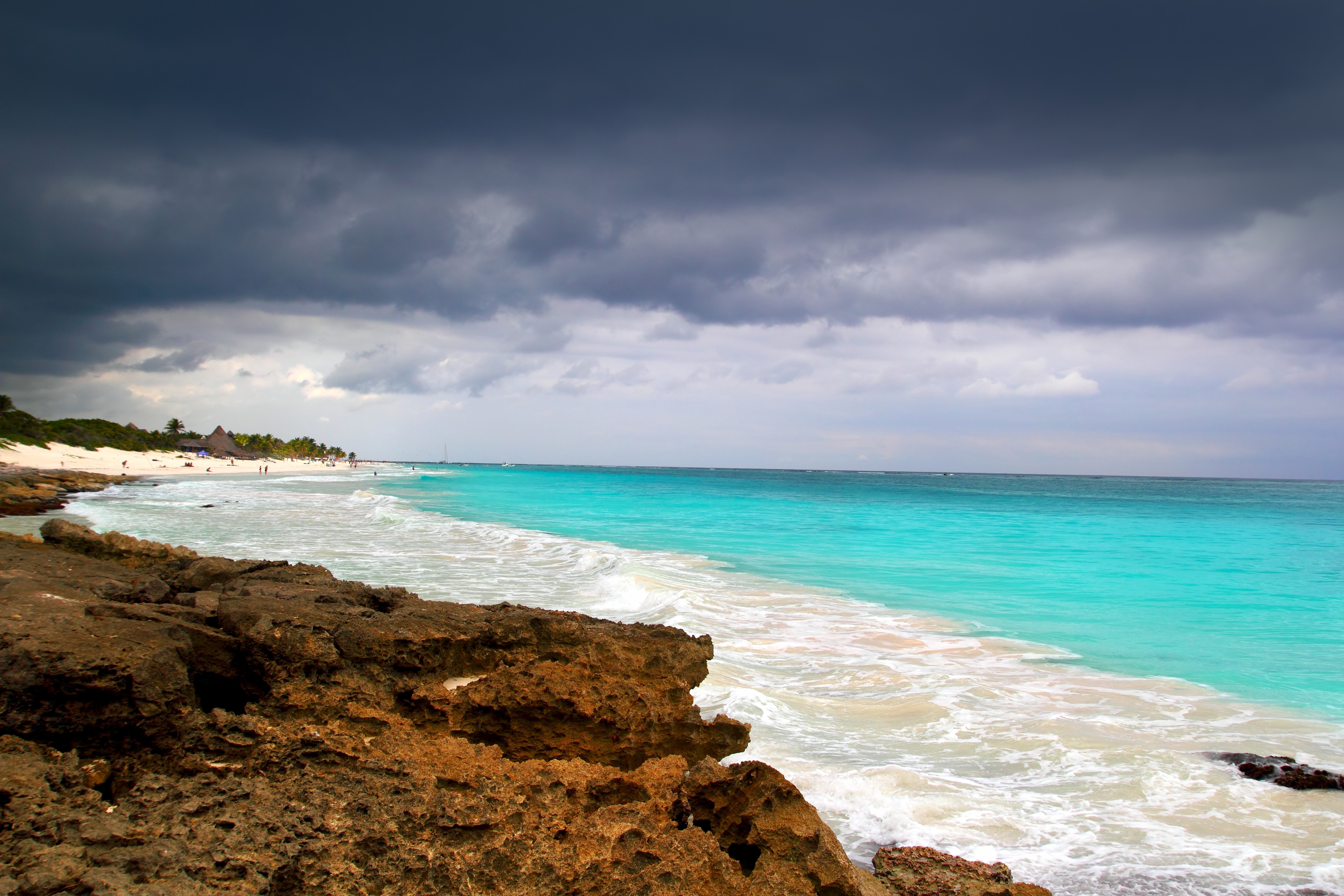
Wet season brings afternoon thunderstorms (usually 1 to 2 hours, heavy and then done), higher humidity, lower prices, and fewer people. The mornings are often clear and sunny. Hurricane season overlaps from June through November, with the highest risk in August through October.
Neither season is bad. They're just different trade-offs.
Month by month
November
The sweet spot for families who can travel outside school holidays. Dry season kicks in, prices haven't peaked, and resorts are 60 to 70% full instead of 95%. Water temperatures are still warm from summer (low 80s Caribbean, upper 70s Pacific). Day of the Dead celebrations happen in late October through early
November and are worth experiencing with older kids who can appreciate the cultural context.
The catch: Thanksgiving week is an exception. Prices spike and availability tightens for that 5-day window. If you can travel the first or second week of November instead, you'll pay 20 to 30% less.
December
Peak season starts in earnest around December 15. The first two weeks of December are a hidden gem: dry season weather, holiday decorations going up, resorts in festive mode, but prices still at shoulder-season rates. If your school lets out before the 20th, those early December days are gold.
Christmas week (December 20 through January 2) is the most expensive and crowded period of the year. Rates double or triple at luxury resorts. Pools are full. Restaurant reservations need to be made at check-in. If you're going to do Christmas week, book 4 to 6 months ahead and accept the premium. The weather will be perfect and the resort programming (NYE fireworks, holiday dinners, kids' activities) is at its best.
Whale watching starts on the Pacific coast in mid-December. Humpbacks arrive in Banderas Bay and the Sea of Cortez. If your kids are old enough for a boat tour (3 and up with life jackets), this adds a dimension to a December trip that no other month offers.
January
The best month for family travel to Mexico, full stop. Here's why: holiday crowds leave after January 6 (Dia de Reyes, when Mexican families wrap up their holiday season). Prices drop 20 to 40% from Christmas week rates. Weather is peak dry season. Whale watching is in full swing. Resorts are staffed for high season but running at 70% capacity.
The second and third weeks of January are the sweet spot. Flights are cheaper, resort deals appear, and you'll get the pool chair you want without setting an alarm.
The only downside: it's mid-school year for most US families, which means pulling kids out for a week. Whether that's feasible depends on your district, your kid's age, and your personal calculus on school attendance. For pre-K and kindergarten, it's a no-brainer. For older kids, it's a conversation.
February
Still dry season. Still excellent weather. Presidents' Day weekend (third Monday in February) creates a mini-peak for 4 to 5 day trips. Valentine's Day skews the resort crowd slightly toward couples, which can mean fewer kids at the pool (a feature, not a bug, depending on your perspective).
Water temperatures on the Pacific side dip to their annual low in February (74 to 76°F). It's swimmable but noticeably cooler than summer. Caribbean water stays warm (79 to 81°F).
Whale watching peaks in February. If seeing humpbacks is a priority, this is the month.
March
Spring break dominates March. The last two weeks and into early April are the busiest period after Christmas. Prices jump, pools get packed, and Cancun's hotel zone turns into something you may not want your kids to witness.
If your spring break falls in early March, you'll catch the tail end of quiet season. If it falls in late March, book early and expect crowds.
Pacific coast resorts (Punta Mita, Puerto Vallarta, Riviera Nayarit) are generally calmer during spring break than Caribbean resorts. The college spring break crowd gravitates toward Cancun and Cabo. Families gravitating toward the less-hyped destinations is the move.
April
Early April is still spring break for some districts. After Easter (or Semana Santa, Mexico's own spring break), crowds thin dramatically. Late April offers dry season weather, reduced rates, and a quieter resort experience.
Semana Santa deserves a specific warning: it's one of the busiest domestic travel periods in Mexico.
Mexican families flood beach towns from Palm Sunday through Easter Sunday. It's festive and culturally rich but not the week for a quiet family resort trip. Beaches are packed, traffic triples, and restaurant waits get long.
If your school break aligns with Semana Santa, book a resort with enough on-property dining and activities that you don't need to leave. If your break doesn't overlap, late April is excellent.
May
The transition month. Rain starts picking up, especially on the Caribbean coast. Prices drop to their lowest since November. Resorts offer significant deals (free kids, extra nights, resort credits).
May is genuinely good for families who don't mind afternoon rain. Mornings are clear and hot. You swim, eat lunch, the rain comes at 2pm, you nap or do indoor activities, the rain stops by 4pm, you're back at the pool for sunset. It's a rhythm that works surprisingly well with kids who nap anyway.
June through August
Summer. School's out, which makes these months popular despite being wet season. June is the mildest wet-season month (rain is lighter, hurricanes are rare before July). July and August are hotter, wetter, and carry genuine hurricane risk.
Prices in June through August are 30 to 50% below peak season. Availability is wide open. If you're flexible on dates and willing to accept the weather trade-off, summer can be excellent value.
Pacific coast rain tends to come in sharp, dramatic afternoon bursts and then clear. Caribbean rain can be more persistent. For summer trips, the Pacific side is often the better bet for consistent morning beach time.
Water temperatures peak in summer (mid-80s on both coasts). The ocean is bathwater warm. Kids who found the winter Pacific too cold will have zero complaints in July.
September through October
The lowest season. Rates are at their floor. Some resorts close for maintenance. Hurricane risk peaks in September. If a storm is tracking toward your destination, you're rebooking or canceling.
For families, these months are a gamble. The upside (near-empty resorts, rock-bottom prices, warm water) is real but so is the downside (rain, humidity, storm disruptions). If you book refundable rates and monitor weather, September can work. October improves week by week, and by late October you're back in reliable territory.
The school calendar problem
Most of this advice bumps into the same wall: school. Families with school-age kids are locked into summer, winter break, spring break, and whatever long weekends the district offers.
Within those constraints:
Winter break: early December (before the 20th) beats Christmas week on price and crowds. If your break starts the 20th, you're paying peak but getting peak weather and programming.
Spring break: early March or post-Easter April beats late March. Pacific coast beats Caribbean for crowd avoidance.
Summer: June beats July/August on weather and hurricane risk. Early June (right after school ends) is the sweet spot.
Long weekends: Presidents' Day, MLK Day, and Columbus Day weekends can turn a 2 to 3 day break into a quick Mexico trip if you're within 4 hours of a gateway airport.
For families with kids under 5 who aren't school-locked: January, November, and May are the three best months. You get excellent conditions and skip every crowd.
The bottom line
There's no bad time to visit Mexico with kids. There are trade-offs at every point on the calendar, and the right month depends on what you're optimizing for.
If you want perfection: January. If you want value: May or June. If you want holiday magic: December. If you want empty pools and cheap flights: mid-September (with a refundable booking and a weather app).
Pick the month that fits your school calendar and your budget, and don't overthink it. The weather will be warmer than wherever you're coming from, the pool will be open, and your kids won't remember whether it rained on Tuesday afternoon.
About

We help hundreds of families travel better, with honest advice for every stage of the journey.
Newsletter
Subscribe now to stay updated with the latest family travel advice!
Subscribe to our newsletter and be the first to access expert family travel advice and destination guides.