Riviera Nayarit vs. Riviera Maya: Which Is Better for Families?
Riviera Nayarit vs Riviera Maya: a complete guide for families comparing beaches, weather, resorts, and activities to choose the right Mexico trip.
These two coastlines compete for the same family vacation dollar, and the shorthand most people use is "Pacific side vs. Caribbean side." That's accurate geographically but doesn't tell you much about which one is going to work better with your kids, your budget, and your tolerance for crowds.
Both are excellent. We've taken families to both multiple times. But they're different in ways that matter when you're booking.
The basics
Riviera Nayarit runs along Mexico's Pacific coast, roughly from Nuevo Vallarta north through Punta Mita, Sayulita, and up toward San Pancho. The hub airport is Puerto Vallarta (PVR). Flights from most US cities are 3 to 5 hours.
Riviera Maya stretches along the Caribbean coast of the Yucatan Peninsula from Cancun south through Playa del Carmen, Tulum, and down to the Sian Ka'an biosphere. The hub airport is Cancun (CUN). Flights are 2.5 to 4.5 hours from most US cities.
Both are well-developed tourist corridors with international airports, English spoken widely, and plenty of luxury hotel inventory. The differences are in texture.
Beaches
This is where the comparison gets interesting.
Riviera Maya wins on water color and calm. The Caribbean side gives you turquoise water, white sand, and gentler waves protected by the Mesoamerican reef. For toddlers wading in knee-deep water, the Caribbean is hard to beat. The beaches in the Mayakoba corridor (Rosewood, Andaz, Banyan Tree) are particularly calm.
The catch: sargassum seaweed has become a recurring issue since 2018. Some years are worse than others, and some stretches of beach get hit harder. Resorts clean it daily, but there are mornings where the water is brown and the smell is noticeable. It's unpredictable and there's no way to guarantee a clear beach week.
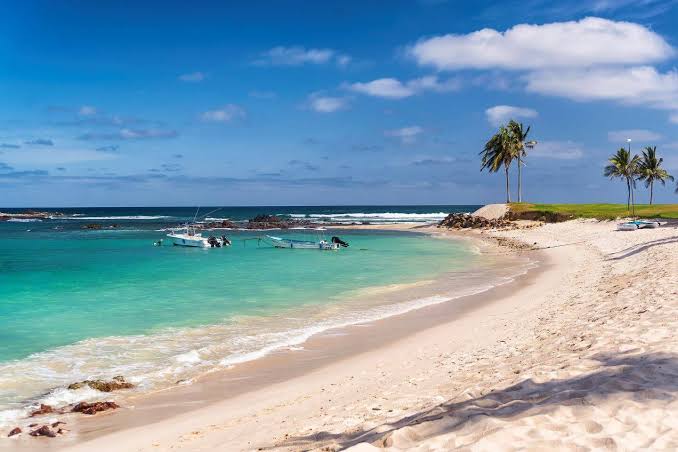
Riviera Nayarit has stronger Pacific waves, which means the ocean is less toddler-friendly on open beaches. But the Punta Mita peninsula has protected coves where the water is calm enough for small children, and the resorts in that area (Four Seasons, St. Regis, One&Only Mandarina) sit on beaches that are sheltered from the bigger swells. No sargassum on the Pacific side. Ever.
The sand is different too. Caribbean sand is fine and white. Pacific sand is golden and slightly coarser. Neither is better, but they feel different underfoot.
Edge: Riviera Maya for water color and calm, Riviera Nayarit for reliability (no sargassum gamble).
Weather
Both regions are warm year-round. The differences matter mostly during shoulder seasons.
Riviera Maya is more humid. The Caribbean coast stays in the 80s to low 90s most of the year, with higher humidity that makes it feel warmer than it is. Rain comes in short afternoon bursts during wet season (May through October), and hurricane season is a real factor from August through October. Cancun took direct hits from Delta (2020) and Grace (2021).
Riviera Nayarit is slightly less humid, with more distinct dry and wet seasons. The dry season (November through May) is close to perfect: low 80s, low humidity, almost no rain. Wet season brings afternoon thunderstorms that are dramatic but short. The Pacific coast sees fewer direct hurricane hits than the Caribbean, though tropical storms aren't uncommon in September.
Water temperature: the Caribbean is warmer year-round (80 to 84°F). The Pacific runs 75 to 82°F depending on season. Both are swimmable, but kids who run cold will notice the Pacific difference in January.
Edge: Riviera Nayarit in dry season, Riviera Maya in shoulder season. Call it a draw for summer.
Getting there and getting around
Riviera Maya has a logistical edge in airport proximity. Cancun International is Mexico's busiest tourist airport with direct flights from nearly every US city. The hotel zone starts 15 minutes from the terminal. Playa del Carmen is 45 minutes. Tulum is 90 minutes to 2 hours. That Tulum drive is the main downside: it's long, the highway is a single lane in each direction for stretches, and after a flight with a toddler, 2 hours in a van tests everyone.
Riviera Nayarit uses Puerto Vallarta's airport, which has fewer direct routes than Cancun but still covers all major US hubs. The hotel zone in Nuevo Vallarta starts 15 minutes from the terminal. Punta Mita is 45 minutes. Sayulita is about an hour. Distances are shorter overall than the Riviera Maya's spread.
Once you're settled, both regions work similarly: hotel shuttles for resort guests, Uber in the urban areas, pre-booked transfers for day trips.
Edge: Riviera Maya for flight options, Riviera Nayarit for shorter in-region transfers.
Hotels
Both coastlines have deep luxury hotel inventory. The question is what kind of resort experience you want.
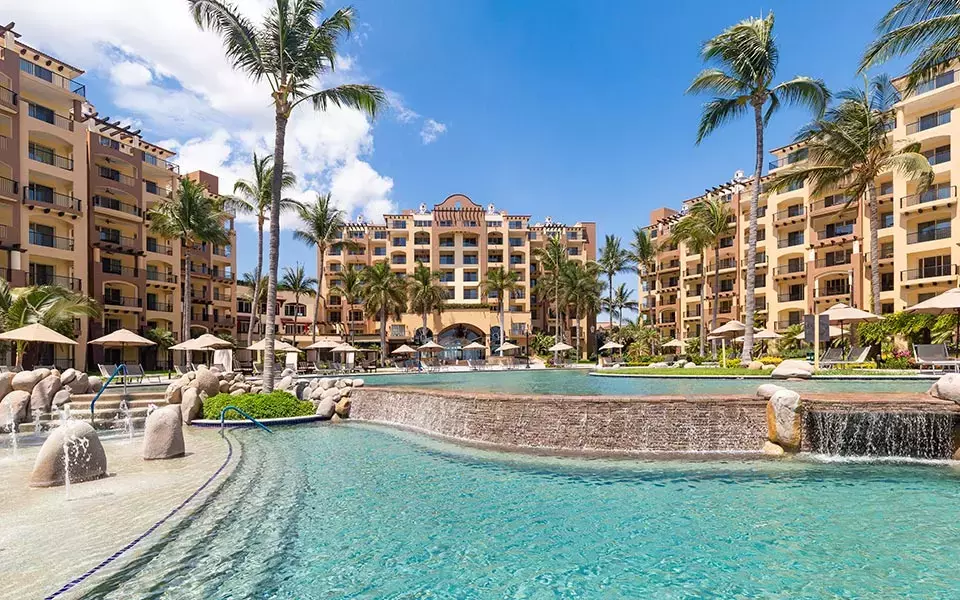
Riviera Maya's hotel corridor is more built-out, with massive all-inclusive complexes (Grand Palladium, Barcelo, Iberostar) alongside luxury boutiques (Rosewood Mayakoba, Chable, Andaz). The all-inclusive density is higher here, which makes the Riviera Maya the easier pick if you want a single price that covers everything.
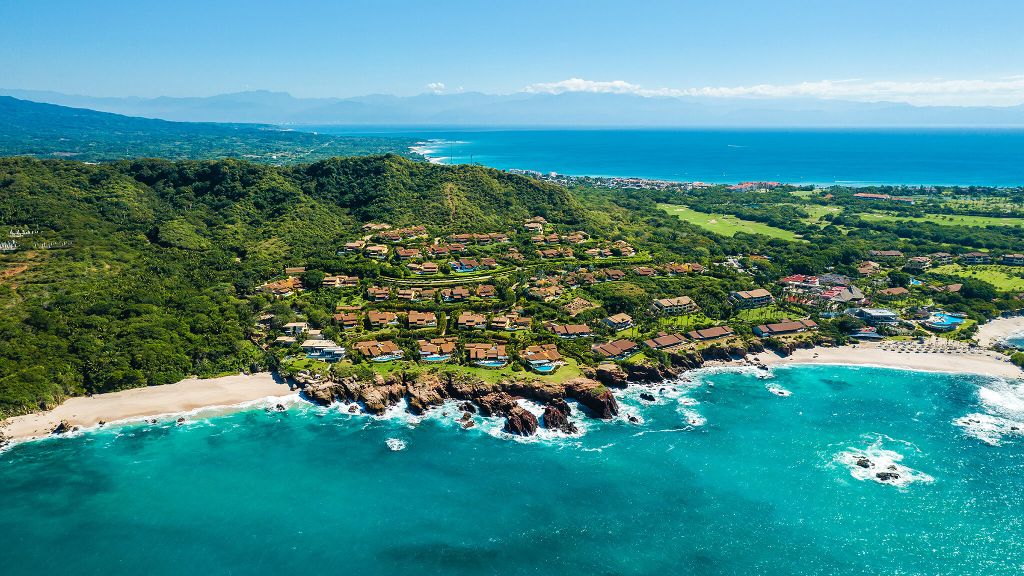
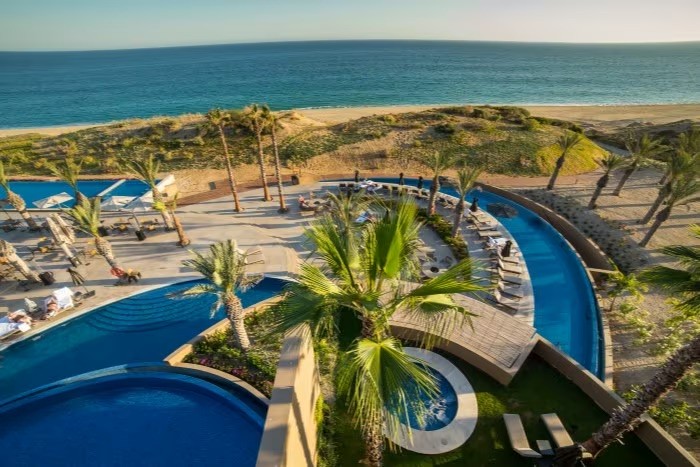
Riviera Nayarit's hotel scene is smaller but more curated. The Punta Mita peninsula has Four Seasons, St. Regis, and One&Only Mandarina within a 20-minute radius. Nuevo Vallarta has Grand Velas and Hyatt Ziva. There are fewer mega-resorts and more properties in the 100 to 200 room range, which translates to a quieter pool deck and shorter lines at the restaurant.
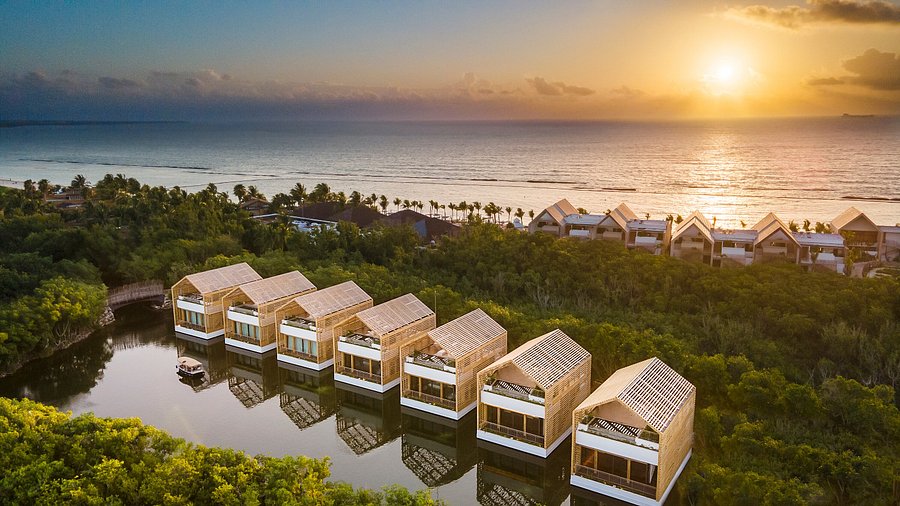
For families specifically, the Riviera Nayarit properties tend to offer more space per guest. The Punta Mita resorts sit on a private peninsula with 2 golf courses, multiple beaches, and a small town, so even at full capacity there's room to spread out. Riviera Maya's Mayakoba complex offers something similar within its gated nature reserve.
Edge: Riviera Maya for all-inclusive options, Riviera Nayarit for space and lower density.
Things to do with kids
This is where the two regions diverge most.
Riviera Maya has the Yucatan's archaeological and natural attractions working in its favor. Cenotes (natural sinkholes filled with fresh water) are everywhere, and many are swimmable with kids old enough to handle a life jacket. Xcaret and Xel-Ha eco-parks are world-class, genuinely full-day attractions with underground rivers, snorkeling, and wildlife. Chichen Itza is a 2.5-hour drive, which is a long day trip with kids but doable.
The downside: everything beyond the resort requires a car or organized tour. The highway south from Cancun funnels all traffic through a single corridor, and popular attractions get crowded.
Riviera Nayarit is more compact. Sayulita (a surf town with a great beach and taco stands) is a 30-minute drive from Punta Mita and works as an easy half-day trip. Puerto Vallarta's Malecon boardwalk is fun for an afternoon walk with kids. Whale watching runs December through March and is spectacular (humpback whales come to Banderas Bay to breed and calve, so you're seeing mothers with babies).
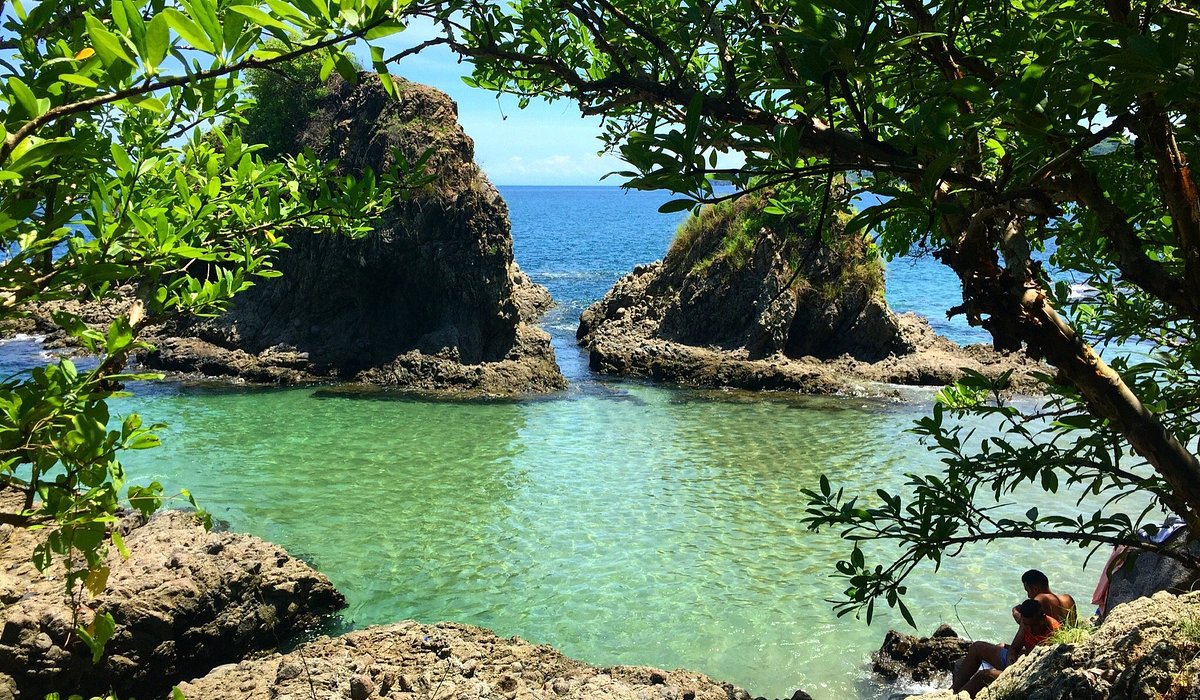
The Marietas Islands, a protected national park with a famous hidden beach, are a short boat ride from Punta Mita. Access is limited by daily permits, which keeps crowds down. For nature-oriented families, the Pacific coast's marine life (whale watching, sea turtle releases, manta rays) edges out the Caribbean.
Edge: Riviera Maya for volume of attractions, Riviera Nayarit for easy day trips and marine life.
Food
Both regions have outstanding food. Mexico's culinary depth makes this an unfair comparison with most other beach destinations.
Riviera Nayarit benefits from Puerto Vallarta's restaurant scene, which is one of the best in Mexico. The city's Zona Romantica has dozens of restaurants ranging from street tacos to fine dining, and most are family-friendly during early evening hours. Seafood on the Pacific coast trends toward ceviche, grilled fish, and aguachile. Sayulita has great casual spots.
Riviera Maya's food scene centers on Playa del Carmen (solid, tourist-oriented) and Tulum (excellent but pricey). The Yucatecan cuisine is distinct from the rest of Mexico: cochinita pibil, papadzules, sopa de lima. It's a different flavor profile than what most Americans think of as Mexican food, and kids tend to love the milder Yucatecan dishes.
Edge: Draw. Different cuisines, both excellent.
Cost
Riviera Maya has a wider price range. The all-inclusive market drives competitive pricing, and you can find quality family resorts in the $300 to $500/night range. Luxury runs $800 to $2,000+. Flights to Cancun are cheap and frequent, with budget carriers serving most US cities.
Riviera Nayarit skews slightly more expensive at the luxury end, partly because the resort density is lower and the properties are newer. Budget all-inclusives exist in Nuevo Vallarta, but the Punta Mita corridor is firmly in the $600 to $1,500+ range. Flights to Puerto Vallarta are slightly pricier than Cancun on average, with fewer budget carrier options.
Edge: Riviera Maya for budget flexibility. At the luxury level, pricing is comparable.
Safety
Both regions are safe for tourists. The State Department rates Nayarit and Quintana Roo (the Riviera Maya state) at the same advisory level. Resort areas in both regions have dedicated tourist police and heavy security infrastructure.
The only practical difference: Riviera Nayarit feels less "touristy" and more residential in the areas between resorts. Riviera Maya's corridor from Cancun to Tulum is more heavily commercialized, which means more vendors, more solicitation, and more "timeshare presentation" energy at the airport.
Edge: Riviera Nayarit, slightly. Less commercial pressure.
So which one?
Pick Riviera Nayarit if: you want a quieter, less crowded coast with reliable beaches, you're interested in whale watching or marine life, your kids are young and you want a contained resort experience, or you've already done Cancun and want something different.
Pick Riviera Maya if: you want Caribbean water and white sand, your kids are old enough for cenotes and eco-parks, you want all-inclusive pricing and maximum flight options, or this is your first family trip to Mexico and you want the most well-trodden path.
The honest answer: you'll probably do both eventually. Start with whichever matches your kids' ages and your travel style right now, and save the other for next year.
About

We help hundreds of families travel better, with honest advice for every stage of the journey.
Newsletter
Subscribe now to stay updated with the latest family travel advice!
Subscribe to our newsletter and be the first to access expert family travel advice and destination guides.